
Introduction
The private security industry is undergoing a fundamental transformation. As businesses, residential communities, and public spaces grow more complex, traditional security models are no longer sufficient on their own. The future of private security lies in a strategic blend of trained security manpower, advanced technology, data intelligence, and proactive risk management.
By 2026 and beyond, private security will move far beyond basic guarding services. Security providers will be expected to deliver integrated protection solutions, adapt to emerging threats, and support business continuity in an increasingly uncertain world.
This blog explores the key trends shaping the future of private security, helping business owners, facility managers, and decision-makers prepare for what lies ahead.
1. Technology-Driven Security Will Become the Norm
One of the most significant shifts in the future of private security is the deep integration of technology into daily operations.
Key advancements include:
- AI-enabled CCTV analytics
- Facial recognition and behavior detection
- Smart access control and biometric systems
- Drone-based perimeter surveillance
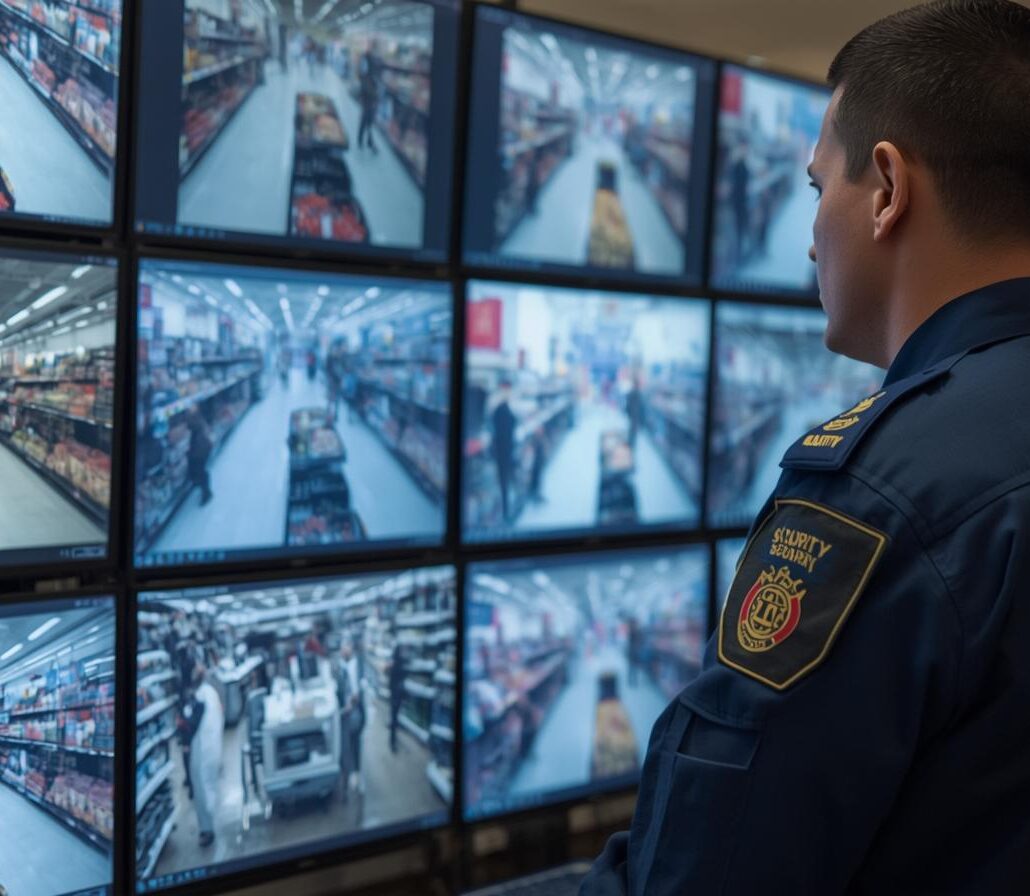
- Centralized command and control centers
These tools allow security teams to move from reactive responses to predictive prevention. Instead of merely recording incidents, systems will flag unusual behavior patterns and alert guards in real time.
However, technology alone is not enough. Human decision-making remains critical, especially in environments where judgment, empathy, and legal awareness are required.
Learn how manpower and technology work together in modern security:
How Technology Is Transforming Security Manpower Services
2. Security Guards Will Evolve into Security Professionals
In the coming years, the role of a security guard will expand significantly. Guards will no longer be seen as static watchkeepers, but as trained security professionals capable of handling diverse responsibilities.
Future-focused security personnel will be trained in:
- Risk assessment and threat recognition
- Emergency response and evacuation management
- Customer service and conflict de-escalation
- Use of digital tools, reporting apps, and surveillance systems
- Legal awareness and compliance
This evolution will raise industry standards and client expectations. Businesses will demand well-spoken, alert, and professionally trained guards who can represent their brand while ensuring safety.
Importance of Security Training and Certification in Today’s Workforce
3. Data and Analytics Will Drive Smarter Security Decisions
By 2026, data will be at the heart of private security operations. Every patrol, incident, visitor entry, and alarm trigger will generate actionable insights.
Security agencies will increasingly use:
- Incident trend analysis
- Heat maps of high-risk zones
- Time-based vulnerability tracking
- Performance metrics for guards and supervisors
This data-driven approach allows security managers to optimize manpower deployment, improve SOPs, and reduce recurring risks.
For clients, this means greater transparency, measurable ROI, and continuous improvement rather than static security arrangements.
4. Increased Demand for Customized Security Solutions
The future of private security is not one-size-fits-all. Different industries face different threats, and security solutions will be tailored accordingly.
Examples include:
- Retail security: Loss prevention, crowd management, theft analytics
- Corporate security: Access control, executive protection, visitor management
- Residential security: Perimeter monitoring, community patrols, emergency response
- Industrial security: Asset protection, material movement tracking, compliance monitoring
Clients will increasingly prefer security partners who understand their sector and offer customized manpower deployment, training, and technology integration.
See how tailored security improves outcomes:
Why Retail Stores Need Dedicated Security Manpower to Prevent Losses
5. Cyber and Physical Security Will Converge
As organizations become more digital, the line between physical security and cybersecurity will continue to blur.
Future private security models will address:
- Unauthorized physical access to IT infrastructure
- Insider threats combining physical and digital actions
- Protection of data centers, server rooms, and smart devices
- Coordination between IT teams and physical security staff
Security guards will increasingly be trained to identify both physical and cyber red flags, creating a holistic risk-management approach.
Global experts highlight this convergence in modern security strategies:
https://www.securitymagazine.com
6. Focus on Compliance, Ethics, and Accountability
Regulatory scrutiny in the private security industry is expected to increase. Clients will demand:
- Verified background checks and police verification
- Statutory compliance (PF, ESIC, labor laws)
- Ethical conduct and data privacy protection
- Transparent reporting and audits
Security companies that fail to meet these standards will struggle to survive. Those that invest in compliance, training, and ethical practices will gain trust and long-term partnerships.
7. Sustainability and Community-Oriented Security
Another emerging trend is community-centric and sustainable security. Organizations will look for security solutions that:
- Reduce unnecessary manpower without compromising safety
- Use energy-efficient surveillance systems
- Promote positive engagement with employees, residents, and visitors
- Encourage guards to act as helpers, not just enforcers
This approach improves public perception of private security and strengthens cooperation between guards and the people they protect.
8. The Continued Importance of Human Presence
Despite advances in AI and automation, human presence will remain irreplaceable. Machines can detect, but humans can judge, communicate, and adapt.
Situations such as:
- Conflict resolution
- Emergency evacuations
- Customer assistance
- Ethical decision-making
require emotional intelligence and situational awareness—qualities that only trained humans can provide.
The future will not be human vs technology, but human + technology working together.
Learn more about this balance here:
The Future of Security Manpower: Human Guards vs Automated Systems
Q&A: Frequently Asked Questions
Q1. Will AI replace private security guards in the future?
No. AI will enhance security operations, but trained guards will remain essential for decision-making, emergency response, and customer interaction. The future lies in collaboration, not replacement.
Q2. How should businesses prepare for future security challenges?
Businesses should partner with professional security agencies that offer trained manpower, technology integration, and data-driven reporting, rather than relying on basic guarding services.
Q3. What skills will future security guards need?
Future guards will need skills in surveillance technology, communication, emergency response, legal awareness, and customer service—making continuous training essential.
Q4. Will private security become more expensive?
While technology adoption may increase costs initially, smarter deployment and reduced losses often result in better ROI and long-term savings for businesses.
Conclusion
The future of private security in 2026 and beyond will be defined by intelligence, integration, and professionalism. Organizations will no longer look for guards who merely “stand watch,” but for strategic security partners who understand risk, technology, and human behavior.
By investing in trained manpower, advanced systems, and ethical practices today, businesses can stay ahead of evolving threats tomorrow.
At Proman Securitech, we are committed to delivering future-ready private security solutions that combine experienced security professionals, modern technology, and proven operational excellence.
Pingback: Ancaman Siber 2026: Mengapa PK Perlu Faham Dunia Digital – pakguard.online