
Introduction
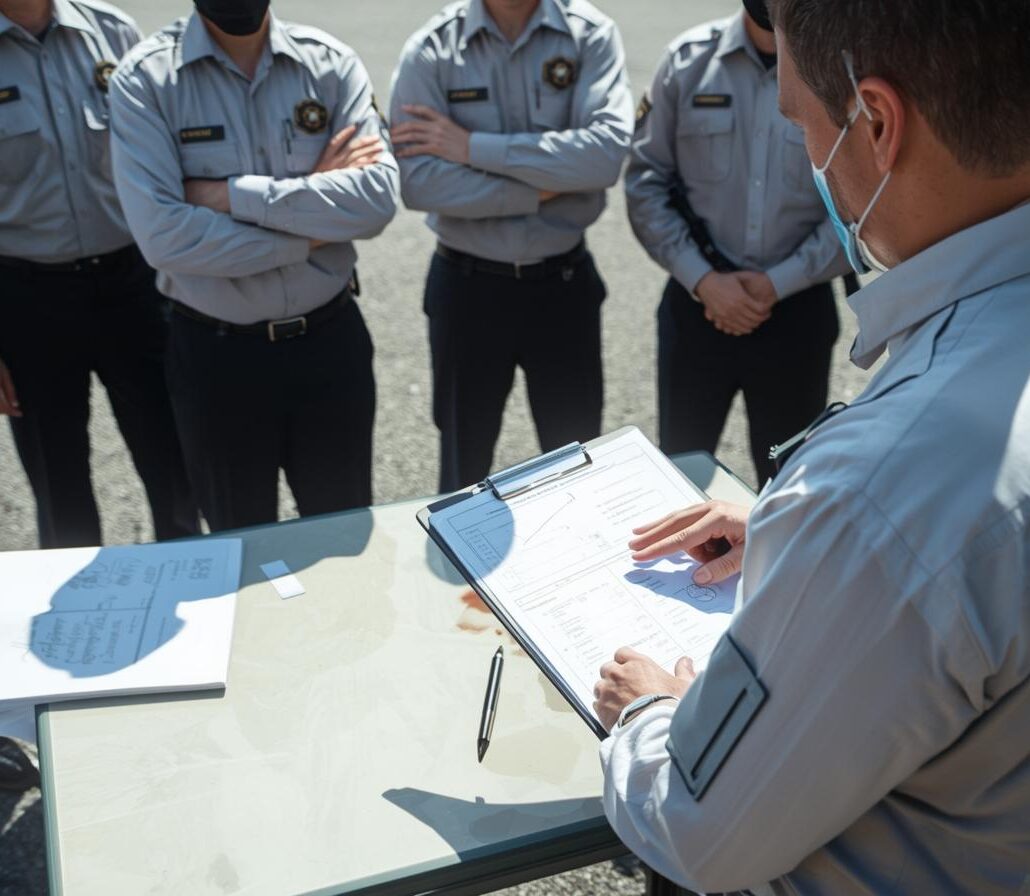
In the security industry, technology, manpower, and procedures are only as strong as the leadership behind them. At the center of every successful security operation is a capable site supervisor—the individual responsible for managing guards, coordinating with clients, resolving conflicts, and ensuring daily compliance.
Strong security leadership transforms average guarding services into reliable, professional, and client-focused operations. Developing effective site supervisors requires more than technical training; it demands coaching skills, emotional intelligence, communication expertise, and decision-making ability.
This blog explores how security agencies and organizations can build high-performing site supervisors who lead with confidence, professionalism, and accountability.
1. The Role of a Site Supervisor in Security Operations
Site supervisors act as the bridge between management, security guards, and clients. Their responsibilities include:
- Supervising and mentoring security guards
- Enforcing post orders and SOPs
- Coordinating shifts and attendance
- Handling incidents and escalations
- Communicating with clients and stakeholders
- Ensuring service quality and compliance
Without effective leadership at the site level, even well-designed security plans can fail.
2. Why Security Leadership Matters at the Ground Level
Security supervisors face real-world challenges every day, such as:
- Guard absenteeism or underperformance
- Client complaints or changing requirements
- Conflicts between guards, staff, or visitors
- Emergency situations requiring quick decisions
Strong security leadership ensures supervisors can remain calm, decisive, and professional, protecting both client interests and organizational reputation.
3. Coaching: Building Confident and Capable Supervisors
3.1 Coaching vs Command-and-Control
Traditional security leadership often relied on rigid command structures. Modern security environments require coaching-based leadership, where supervisors:
- Guide rather than intimidate
- Correct mistakes constructively
- Encourage accountability and ownership
This approach builds trust and improves guard morale and performance.
3.2 Key Coaching Skills for Site Supervisors
Effective coaching involves:
- On-the-job training and mentoring
- Regular feedback and performance reviews
- Identifying strengths and improvement areas
- Motivating guards through recognition and support
Well-coached supervisors create disciplined yet motivated teams.
Learn more about training and professional guarding:
How Trained Security Personnel Can Protect Your Organization 24×7
4. Conflict Resolution: A Critical Leadership Skill
4.1 Common Conflicts in Security Operations
Site supervisors frequently deal with conflicts involving:
- Guards and clients
- Guards and employees or residents
- Interpersonal issues within security teams
- Visitors refusing to follow rules
Poor handling of these situations can escalate risks and damage client relationships.
4.2 Conflict Resolution Techniques for Supervisors
Effective security leaders are trained to:
- Stay neutral and listen actively
- De-escalate tense situations calmly
- Apply SOPs consistently and fairly
- Involve higher management when required
- Document incidents accurately
The goal is to resolve issues quickly and professionally, without confrontation.
Related read on managing public-facing security environments:
Security in the Hospitality Sector: Hotels & Resorts
5. Client Communication: Managing Expectations and Trust
5.1 Why Client Communication Is Essential
Clients expect supervisors to be:
- Responsive and reliable
- Knowledgeable about site-specific risks
- Proactive in reporting issues
- Professional representatives of the security agency
Strong communication builds trust and long-term partnerships.
5.2 Best Practices for Supervisor–Client Interaction
Effective supervisors:
- Conduct regular site briefings with clients
- Share incident reports and updates transparently
- Address concerns promptly and respectfully
- Adapt security measures to evolving client needs
This proactive approach helps prevent misunderstandings and improves service satisfaction.
Learn how professional supervision enhances workplace safety:
Corporate Office Security: Building a Safe Workplace with Professional Guards
6. Decision-Making and Accountability in Security Leadership
Site supervisors often make decisions under pressure. Strong leaders are trained to:
- Assess risks quickly
- Follow SOPs and escalation protocols
- Balance security needs with customer service
- Take responsibility for outcomes
Accountable supervisors strengthen both operational reliability and client confidence.
7. Training Programs to Develop Security Leaders
To build effective site supervisors, security agencies should invest in:
- Leadership development programs
- Communication and soft-skills training
- Scenario-based conflict management
- Legal awareness and compliance training
- Emergency response and crisis leadership
Ongoing training ensures supervisors stay prepared for evolving security challenges.
Industry insights on leadership and security management can be found at:
https://www.securitymagazine.com
8. Technology as a Support Tool for Supervisors
Modern supervisors benefit from technology such as:
- Guard tour and attendance systems
- Incident reporting apps
- CCTV monitoring dashboards
- Real-time communication tools
These tools support supervisors in maintaining visibility, accountability, and faster response.
9. How Professional Security Agencies Build Leadership
Organizations like Proman Securitech emphasize leadership development by:
- Selecting experienced supervisors
- Providing structured training and mentorship
- Conducting regular audits and evaluations
- Supporting supervisors with management oversight
This ensures consistent service quality across multiple sites.
Visit https://www.promansecuritech.com to learn more about professional security manpower and supervision services.
Conclusion
Security leadership is the backbone of effective guarding operations. Developing capable site supervisors through coaching, conflict resolution, and strong client communication ensures consistent service quality, improved guard performance, and higher client satisfaction.
By investing in leadership development, security agencies not only enhance operational efficiency but also build long-term trust with clients.
At Proman Securitech, we believe that strong leaders create strong security. Our focus on supervisor training and professional development ensures dependable protection across every site we manage.
Call to Action:
Contact Proman Securitech today to learn how professional supervision and leadership-driven security can benefit your organization.
Pingback: furosemide 40 mg tablet
Pingback: cialis pill id
Pingback: low dose semaglutide for weight loss reddit
Pingback: dutasteride tamsulosin erfaringer
Pingback: rogaine for eyebrows
Pingback: doxycycline for tooth abscess dosage
Pingback: can you drink on doxycycline
Pingback: metronidazole cream alcohol reaction
Pingback: ketoconazole mechanism fundamentals
Pingback: toradol short term safety profile
Pingback: avanafil mechanism interpretation