
Introduction
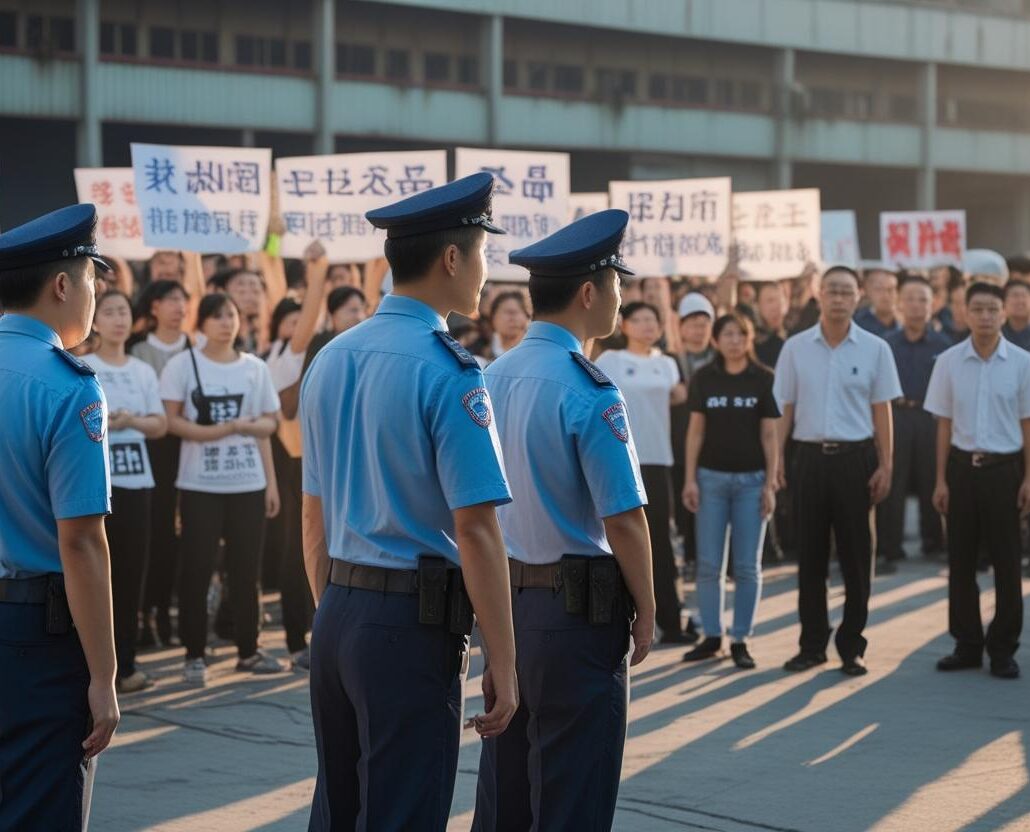
Factory strikes and labor protests are powerful demonstrations of workers’ rights, collective bargaining, and labor solidarity. These events often highlight the struggles employees face regarding wages, working conditions, or management policies. However, strikes can also create tense and unpredictable environments. Employers, labor unions, and local communities all feel the impact. In such sensitive situations, neutral and professional security plays a critical role in ensuring safety while preserving the integrity of the protest.
When handled poorly, protests can escalate into violence, property damage, or clashes between workers and law enforcement. But when approached with professionalism and neutrality, security ensures that protests remain peaceful, workers’ voices are heard, and everyone’s rights are respected.
Why Neutral Security Matters During Strikes
- Avoids Escalation – Security that acts as an extension of management may provoke workers, leading to unnecessary confrontations. Neutrality prevents hostility.
- Protects All Parties – Professional security ensures the safety of employees on strike, management staff, property, and even the broader community.
- Maintains Legal Compliance – Security professionals are trained to respect local labor laws and human rights, ensuring protests remain lawful
- Promotes Trust – Neutral security fosters trust by showing workers and management that the goal is peace, not intimidation.
- Reduces Economic Impact – By minimizing violence and disruption, professional security helps businesses and employees return to normal operations sooner.
The Role of Professional Security in Labor Protests
- Monitoring without Bias: Security should observe and report activities impartially rather than taking sides.
- Crowd Management: Properly trained personnel know how to handle large gatherings without provoking confrontation.
- Conflict De-escalation: Security staff trained in nonviolent communication and de-escalation can prevent small disputes from turning into major clashes
- Emergency Preparedness: Professional teams are equipped to handle medical emergencies, fires, or other unexpected incidents during demonstrations .
- Safeguarding Rights: Workers have the right to protest, and employers have the right to protect their facilities. Professional security ensures both rights are respected.
Best Practices for Neutral Security at Strikes
- Hiring third-party, licensed security firms not directly tied to management decisions
- Providing specialized training in labor relations, human rights, and de-escalation techniques.
- Establishing clear boundaries between security, law enforcement, and protestors.
- Ensuring open communication between workers, unions, employers, and security providers.
- Maintaining strict professionalism, with a focus on observation and prevention rather than aggression.
Conclusion
Factory strikes and labor protests are critical moments in labor relations. They reflect the need for fair dialogue between workers and employers. However, tensions during such events can escalate quickly without proper oversight. Neutral, professional security ensures that these gatherings remain peaceful, lawful, and respectful. By prioritizing impartiality, safety, and de-escalation, security professionals protect both people and property while allowing the democratic process of protest to take place.
In today’s industrial and corporate landscape, neutral professional security is not just an option—it’s a necessity.
For more on maintaining peace and compliance during labor disputes, visit our Industrial Security https://www.promansecuritech.com/securing-it-parks-security-manpower-layoffs-protests/