
Introduction
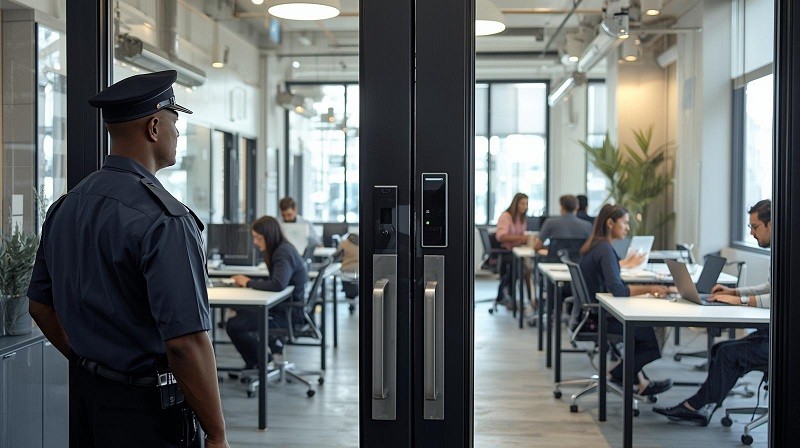
The rise of co-working spaces has transformed how businesses operate. Startups, freelancers, and enterprises now share office environments that promote collaboration and flexibility. However, this shared model also introduces unique security challenges in co-working spaces.
Unlike traditional offices, co-working environments have multiple tenants, frequent visitors, and shared infrastructure—making access management, visitor control, and asset protection critical.
To maintain a secure environment, operators often partner with professional firms like Proman Securitech Pvt Ltd, ensuring structured and reliable security solutions.
Key Security Challenges in Co-Working Spaces
1. Uncontrolled Access to Shared Spaces
One of the biggest risks is unrestricted entry and exit. With multiple businesses operating in one location:
- Unauthorized individuals may gain access
- Tailgating (following authorized users) becomes common
- Shared entry points increase vulnerability
Without proper access control systems, it becomes difficult to track who is on the premises at any given time.
2. Visitor Management Complexities
Co-working spaces experience high visitor traffic daily, including:
- Clients and business partners
- Delivery personnel
- Maintenance staff
Without proper visitor protocols, risks include:
- Unauthorized access to restricted areas
- Data breaches or theft
- Safety concerns for occupants
Learn more about visitor management and security solutions:
https://www.promansecuritech.com/
3. Asset Protection Risks
Businesses operating in co-working spaces often use:
- Laptops and personal devices
- Confidential documents
- Office equipment
Since workspaces are shared, the risk of theft, misplacement, or unauthorized use increases significantly.
4. Data & Privacy Concerns
Physical security is closely tied to data protection. Risks include:
- Shoulder surfing (viewing sensitive information)
- Unauthorized access to meeting rooms
- Shared Wi-Fi vulnerabilities
Organizations must ensure both physical and digital security measures are in place.
Effective Access Management Strategies
1. Smart Access Control Systems
Modern co-working spaces should implement:
- RFID or smart card access
- Biometric systems
- Mobile app-based entry
These systems help track and control movement within the facility.
2. Zoning and Restricted Areas
Not all areas should be accessible to everyone.
Best practices include:
- Separate zones for different companies
- Restricted server rooms and storage areas
- Controlled meeting room access
This minimizes unauthorized entry and enhances privacy.
Visitor Protocols for Enhanced Security
1. Digital Visitor Registration
A structured visitor management system should include:
- ID verification at entry
- Digital check-in and check-out
- Visitor badges with time limits
2. Escort Policies
Visitors should always be accompanied by:
- Employees or hosts
- Security personnel when necessary
This ensures they do not access restricted zones.
3. Real-Time Monitoring
Security teams should monitor visitor movement using:
- CCTV surveillance
- Access logs
- Security personnel patrols
Best practices in workplace security can be aligned with Occupational Safety and Health Administration guidelines:
https://www.osha.gov/workplace-safety
Asset Protection Strategies
1. Secure Storage Solutions
Provide:
- Lockable drawers and cabinets
- Secure lockers for employees
- Dedicated storage for high-value items
2. Surveillance Systems
Installing CCTV cameras helps:
- Monitor common areas
- Deter theft and misconduct
- Provide evidence in case of incidents
3. Security Personnel Deployment
Trained guards play a vital role in:
- Monitoring entry and exit points
- Preventing unauthorized access
- Responding to incidents
Explore security guard services:
https://www.promansecuritech.com/security-guard-services/
Role of Technology in Co-Working Security
Modern co-working spaces are increasingly adopting:
- AI-based surveillance systems
- Cloud-based access management
- Digital visitor logs
- Emergency alert systems
Many organizations follow global frameworks from the International Organization for Standardization to strengthen security systems.
https://www.iso.org/standard/54534.html
Best Practices for Co-Working Space Operators
To ensure a safe environment:
- Implement strict access control policies
- Maintain detailed visitor records
- Conduct regular security audits
- Train staff and tenants on safety protocols
- Partner with professional security providers
Conclusion
Co-working spaces offer flexibility and collaboration, but they also introduce complex security challenges. By focusing on access management, visitor protocols, and asset protection, operators can create a secure and productive environment.
Combining trained security personnel, advanced technology, and well-defined policies ensures that businesses can work confidently without compromising safety.
A proactive approach to security not only protects assets but also builds trust among tenants and enhances the reputation of the co-working space.
Pingback: cenforce 150 side effects
Pingback: india buy viagra
Pingback: finnes semaglutid i mat
Pingback: semaglutida comprimido genérico preço
Pingback: acyclovir tablets 400mg
Pingback: is liraglutide a glp-1
Pingback: terbinafine dosage breakdown
Pingback: ED medication mechanism
Pingback: orlistat food protocol
Pingback: online safety standards
Pingback: amoxicillin interaction overview medical
Pingback: otitis media infection overview