
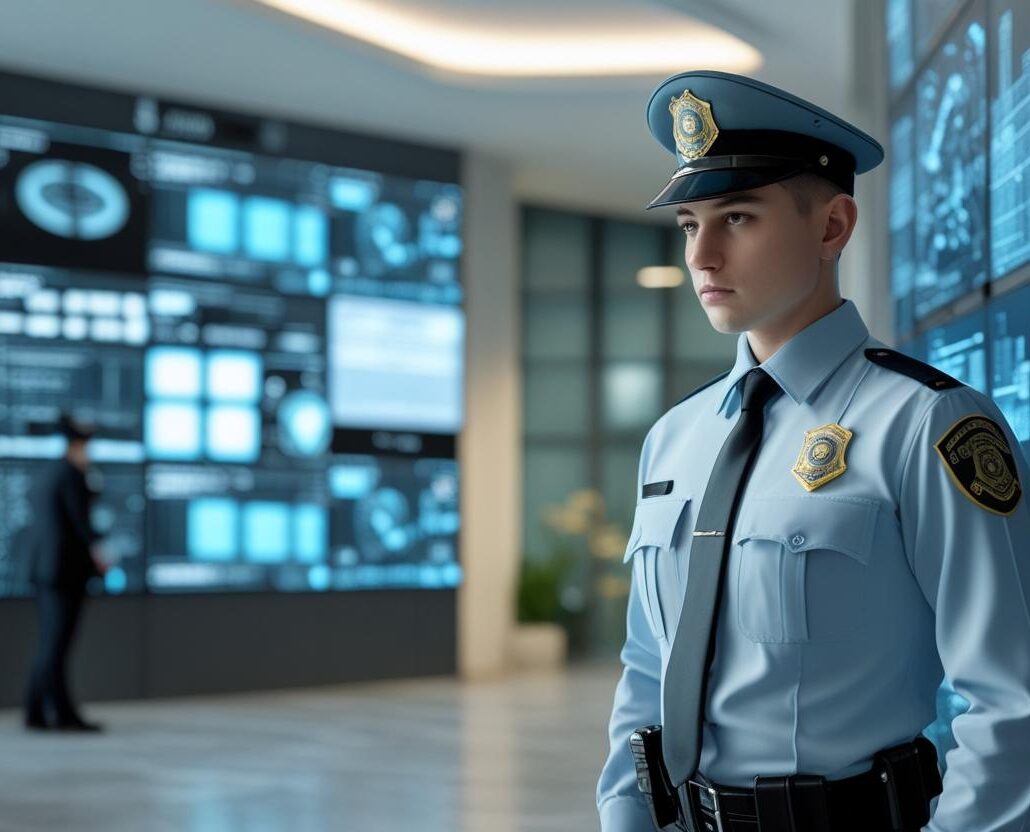
Security Staffing vs Automation: Where Human Vigilance Still Wins
Introduction
In today’s security landscape, automation tools like AI-powered surveillance, drones, and biometric access systems have become widespread. However, despite their technological advantages, these tools cannot entirely replace human security staffing. In this blog, we compare security automation with traditional manpower, highlighting the irreplaceable role of human vigilance in modern security operations.
The Rise of Security Automation
Security automation includes:
- CCTV with AI-based analytics
- Access control via biometrics
- Intrusion detection systems
- Drone patrolling
- Cloud-based alarm systems
These systems are efficient for:
- Monitoring large premises
- Real-time alerts
- Recording evidence
- Minimizing response time
However, they depend heavily on:
- Electricity and internet
- System accuracy
- Regular maintenance
- Limited decision-making in uncertain situations
Where Human Vigilance Excels
While machines monitor, humans act, adapt, and engage. Here’s where security guards still have the edge:
1. Real-Time Judgment
Guards can assess intent, body language, and unusual behavior—factors AI can misread or ignore.
2. Physical Response
In cases of aggression, theft, or accidents, security staff can physically intervene, manage crowd control, or initiate evacuations.
3. Customer Interaction
Security staff assist visitors, employees, and contractors with directions, access, and emergency support—adding a human touch.
4. Flexibility in Crises
During power failures, natural disasters, or tech malfunction, human security steps in to maintain order.
5. Deterrence Factor
The visible presence of trained guards is a psychological deterrent against crime, more than a camera or an alarm.
Best Practice: A Hybrid Model
Most effective security setups use a hybrid approach:
- Automation for monitoring
- Security guards for response
This integration boosts coverage while retaining the human decision-making edge.
Case Example: Warehouse Security
A logistics company used automated CCTV and access control but faced theft issues. Upon deploying trained guards for active patrolling and gate control, incidents dropped by 80%. The human factor proved crucial where tech couldn’t deter internal threats.
Conclusion
While automation is vital for scaling and consistency, it lacks the adaptability, empathy, and real-time reasoning of trained security personnel. Human vigilance remains essential—especially in high-risk, people-centric environments. Companies should focus on a balanced mix of tech and manpower to ensure comprehensive security.